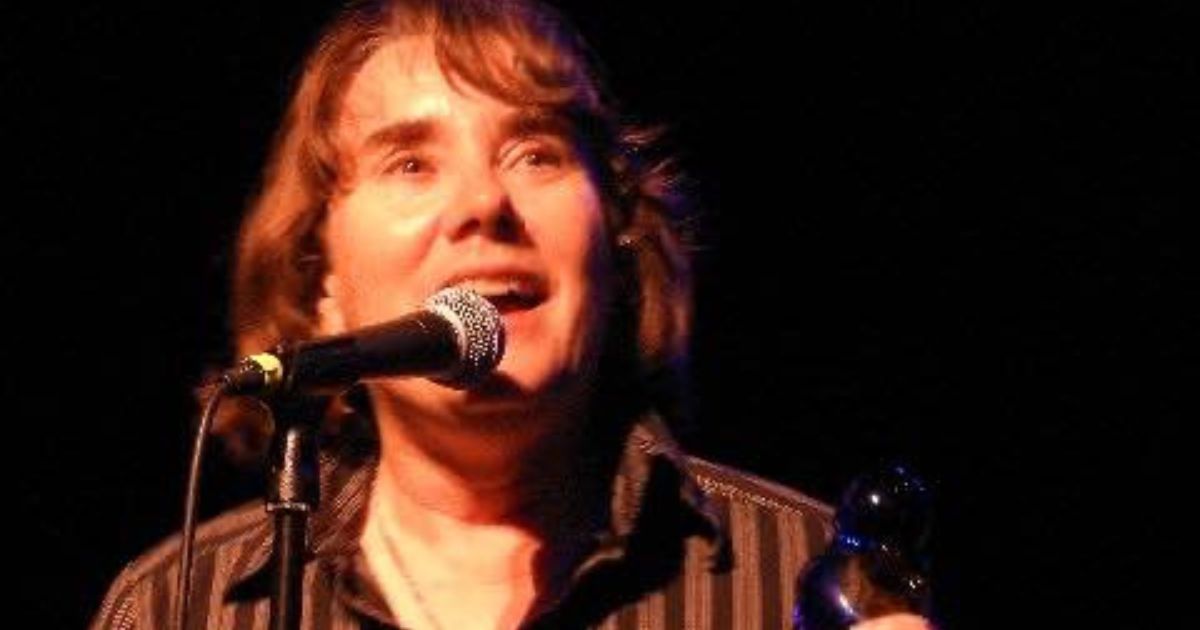
A Lifelong Mission to Preserve Women’s History

When Bonnie Morris, CAS/BA ’83, received the Jeaninne Rae Award recognizing her decades of work advancing women’s culture, she saw it as more than a personal achievement.
For Morris, the honor was a tribute to the generations of women whose stories she has spent nearly half a century documenting, teaching, and preserving.
“My area of specialization is documenting the women’s music movement,” Morris says. “It’s really just the highlight of being available as an archivist, a historian, an author.”
It’s a fitting description of a career that began at American University, where Morris became one of the first students to formally pursue women’s studies, and eventually led her to become a historian of a cultural movement that might otherwise have faded from the record.
Finding her field
Morris arrived at AU in the early 1980s already immersed in women’s studies. Growing up in North Carolina, she attended a progressive Quaker school where she took her first women’s studies class at age 12. She came of age during second-wave feminism, received a subscription to Ms. magazine for her 14th birthday, and worked on behalf of the Equal Rights Amendment before college.
At AU, she took “Women in Society” with Muriel Cantor and studied women in literature with Virginia Woolf scholar Roberta Rubenstein. When AU established its women’s studies minor during Morris’s senior year, she and her friend Jeanette Buck became two of the first students to graduate with the minor in 1983.
Her required internship examined sexism in computer textbooks, which routinely depicted men as experts and women as secretaries or novices.
“It was eye-opening,” Morris says.
By her senior year, Morris was applying to doctoral programs in women’s history.
The path there, however, was anything but straightforward.
“I entered AU as a drama major,” shares Morris, dreaming of becoming a Broadway actress. She found mentors in vocal professor Sue Denny and dance professor Meade Andrews and discovered a progressive theater community where she could explore her identity as a lesbian.
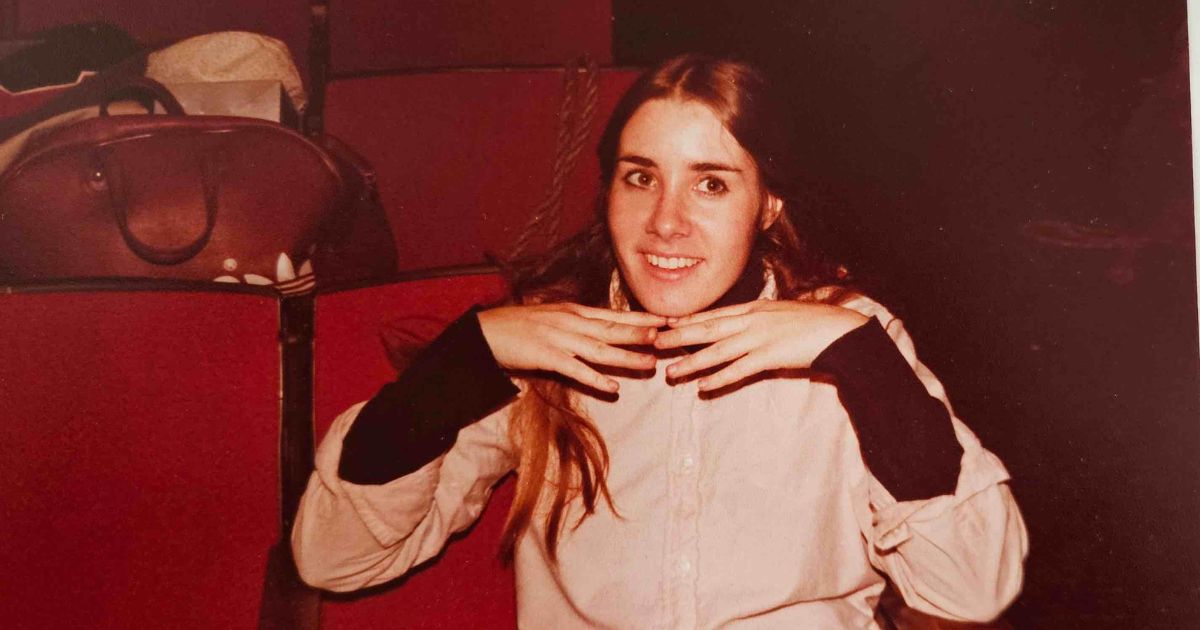
She later changed her major to Jewish studies after studying in Israel, where courses examining women, religion, peace, and diplomacy deepened her interest in women’s history.
Through it all, she maintained straight A’s, performed lead roles and worked four jobs.
“When I look back on my life, I’m amazed I wasn’t lying down,” she says.
Becoming the historian who was missing
Morris’s passion for preserving women’s history eventually found its focus in the women’s music movement.
The movement emerged in the 1970s in response to sexism in the music industry and hostile portrayals of women in mainstream rock music. Morris attended concerts throughout Washington, DC, and began noticing that relatively little was being documented.
So, she started documenting it herself.
Her inspiration came partly from a Judy Collins concert she attended as a child. Collins made a political statement from the stage advocating for the impeachment of President Nixon, something Morris realized would never appear on an album.
“That stayed with me right into my adult career,” she says. “If no one is taking notes or tape recording what is said at the mic, we miss out on a whole political culture.”
Morris became what she calls a “self-appointed historian,” recording concerts, interviews, and statements from the stage. Her archive now includes hundreds of minutes of recordings and a 400-page accompanying document. The collection will eventually be housed at Harvard Radcliffe’s Schlesinger Library.
She has also written books about women’s festival culture, helped artists write their memoirs, and worked to preserve women’s music history in institutions including the Smithsonian and Library of Congress.
Why does that work matter?
“Because no one is putting it into textbooks,” she says. “It’s not migrating into what the next generation can learn.”
Keeping the history alive
Today, Morris teaches at the University of California, Berkeley, where her women’s sports history class enrolls about 300 students. She also teaches seminars on the women’s music movement and LGBTQ+ history.
For Morris, teaching is another form of preservation: ensuring students have the context to understand the cultural and political movements shaping their lives.
That mission feels particularly urgent as courses examining women’s and LGBTQ+ history face restrictions in some states.
“I have no intention of retiring,” Morris says. “As a person who is able to speak out, I have an obligation to do so.”
Looking back, Morris sees AU as the place that gave her the freedom, mentorship, and academic foundation to follow a path she could not yet fully see.
If she could speak to her younger self, she would tell her to keep writing, preserve the relationships that shaped her, and trust the people who were preparing her for the future.
“You’re working with the right people to shape you for what you want to be in the classroom later on,” she says.
The symmetry is hard to miss.
The student who noticed what was missing from the historical record became the historian determined to fill the gaps. And one of the first AU students to graduate with a women’s studies minor became something more enduring than a pioneer in a program: she became a steward of the stories that came next.