
Contact Us
Our Work
The Office of Inclusive Excellence, formally established January 2024 with the appointment of the vice president of inclusive excellence, leads the strategic inclusive excellence efforts for our community, enhances alignment of key work and services that advance our goals and support our people, and fosters campus-wide engagement and learning.
Our updated approach reflects the evolving nature of inclusive excellence work in higher education and beyond and incorporates growth and changes in our community. The Office of Inclusive Excellence includes the Equity and Title IX office, led by the Assistant Vice President of Equity and Title IX Coordinator and Inclusive Leadership and Learning office, led by the Assistant Vice President of Inclusive Leadership and Learning.
Equity and Title IX, a unit that works to support American University’s commitment to guarantee equitable treatment and a welcoming working and learning environments for all. The office is responsible for the implementation of the following two University policies: Discrimination and Non-Title IX Sexual Misconduct Policy and the Title IX Sexual Harassment Policy.
Inclusive Leadership and Learning, a unit dedicated to fostering a culture of belonging through education, professional development, and leadership programs for students, faculty, and staff. In addition to providing resources and initiatives that empower community members to strengthen their skills in inclusion, equity, and cultural competence, this unit actively monitors campus climate and oversees the Climate Action Response Team. It also manages ADA-related policies and practices, ensuring accessibility and compliance across the university.
OIE Priorities
The Office of Inclusive Excellence has identified 4 strategic priorities – collective impact, community bridging and learning, policy and climate, and strategy. These priorities are designed to address the campus climate, align inclusive excellence initiatives and resources, and elevate and institutionalize our efforts.
Collective Impact
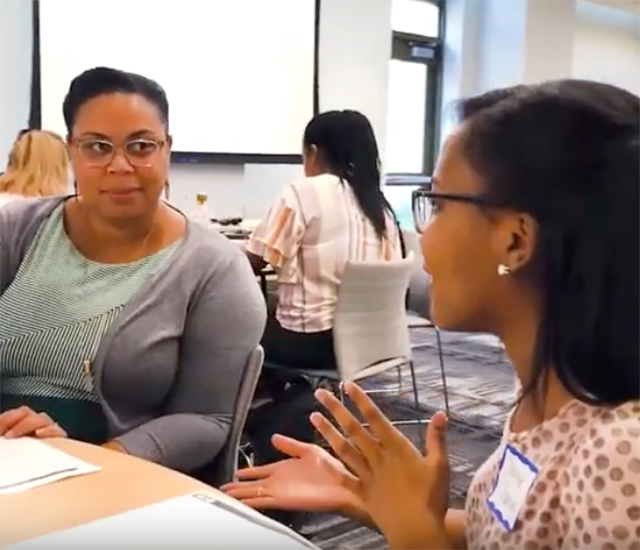
The collective impact model is a structured approach to tackling complex social problems through cross-functional collaboration and shared goals. The collective impact model, the strategic priority framework employed by the Office of Inclusive Excellence, is a transformative approach that is designed to foster collaboration among diverse units across the university.
Policy and Climate
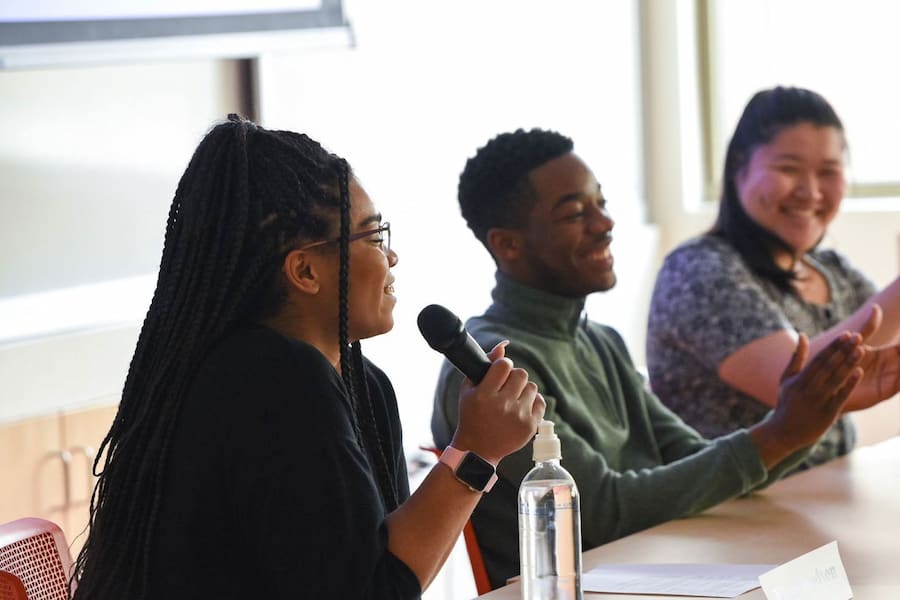
This priority highlights the significance of policies, initiatives, and programming—including data collection and monitoring—to address both existing and historical trends that negatively impact members of the campus community. By continuously developing and revising policies, we commit to creating lasting improvements and fostering a supportive environment for everyone. These efforts ensure that our responses are not only effective in the present but also sustainable, driving ongoing positive change across the campus community for all its members.

Community Bridging and Learning
Community bridging and learning brings people together through the building of a vibrant inclusive community that understands our vast differences, promotes dialogue and opportunity, and ensures that all members are heard and can actively contribute to the collective (inclusive) success of AU. It supports inclusive excellence by breaking down barriers, facilitating open communication, and empowering individuals from all backgrounds to thrive, thus shaping a more responsive and innovative university environment.
Strategy
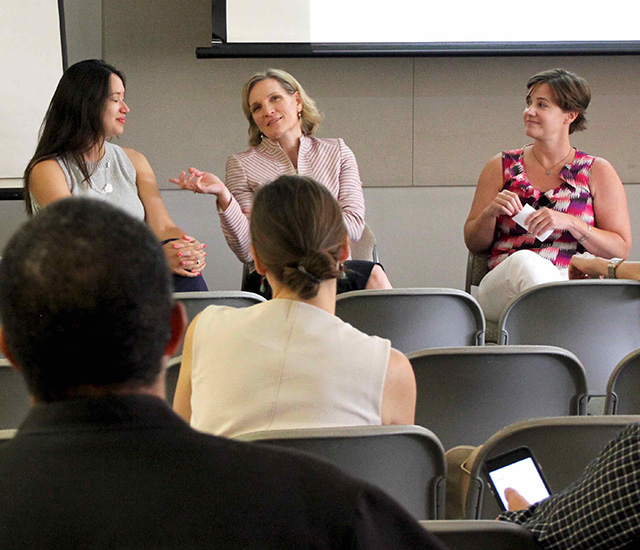
This priority emphasizes the role of developing inclusive excellence competency through leadership development. In addition, the importance of monitoring and mapping unit-specific and institutional inclusive excellence efforts to ensure progress and alignment. Furthermore, strategy plays a vital role in establishing clear goals, setting measurable benchmarks, and coordinating resources across the university to advance inclusive excellence. By integrating strategic planning with data-driven decision making, the institution can proactively identify gaps, prioritize initiatives, and assess impact.